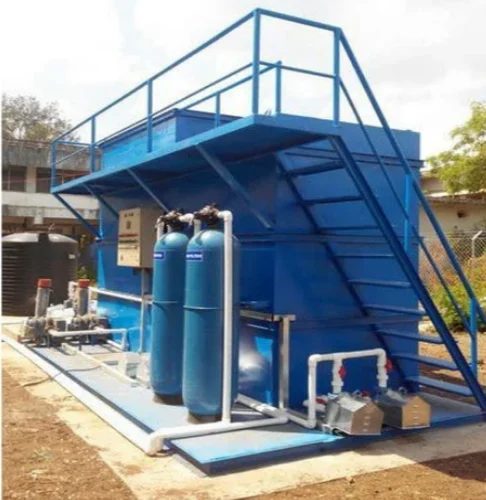
An STP or ETP that meets design intent on paper can still fail a Pollution Control Board inspection if the consent-to-operate conditions, discharge standards and monitoring requirements weren't built into the design from the outset rather than retrofitted afterward.
Central and state Pollution Control Board norms set permissible limits for BOD, COD, TSS, and other parameters, but the applicable limit often depends on the discharge point — into a natural water body, onto land for irrigation, or into a municipal sewer — and each has a different, more or less stringent standard. Designing to a single generic 'STP discharge standard' without confirming which discharge route actually applies to the site is a common and avoidable compliance gap.
STPs are frequently sized to a building's design occupancy rather than its actual operating occupancy, which for commercial and residential developments phased over several years means the plant runs well below its design flow for an extended period — and biological treatment processes perform poorly at low flow because the biomass isn't getting the loading it needs. Design should account for phased occupancy ramp-up with provisions (modular tankage, adjustable aeration) to maintain treatment efficiency at partial load, not just at full design flow.
Most state Pollution Control Boards require continuous or periodic monitoring (flow meters, online BOD/COD analyzers for larger facilities), proper sludge handling and disposal records, and a maintenance log demonstrating the plant is operated as designed — not just installed. Building monitoring points and access for sampling into the physical design from day one avoids a second round of retrofit work when the consent-to-operate renewal inspection asks for data the plant wasn't built to produce.
Volz designs, supplies, installs and commissions this scope under one contract, engineered to recognized codes and standards for facilities across Pan India, Nepal, Bhutan and Bangladesh.